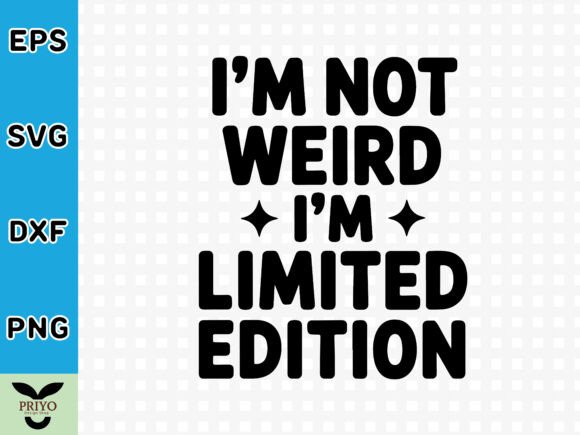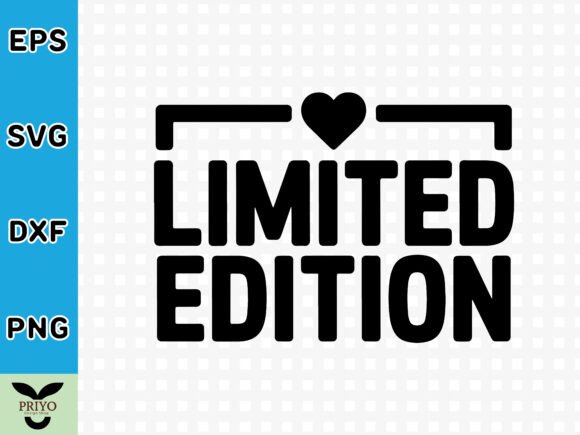
Limited Edition SVG
First Impression: Elegant Simplicity with Quiet Confidence
Opening Limited Edition SVG for the first time, I felt that familiar designer pause—the kind that happens when a design doesn’t shout, but still commands attention. It’s clean, balanced, and thoughtfully composed—not overly intricate, yet never sparse. There’s a gentle rhythm to the lines and spacing, a subtle sense of movement that suggests flow rather than rigidity. It reads as timeless, not trendy—perfect for a boutique sweatshirt or a nursery wall hanging where longevity matters more than flash.
A Real-World Test: Embroidering a Linen Tote Bag for a Local Bakery
Last week, I used Limited Edition SVG on a natural linen tote bag destined for a small-batch bakery’s holiday gift set. The client wanted something refined but warm—no cartoonish flourishes, no cutesy fonts. Limited Edition SVG delivered exactly that: it stitched cleanly at 4.5" wide, held its shape across the slightly nubby texture of the linen, and read beautifully even from six feet away. Customers didn’t just see a logo—they sensed care. That’s the quiet power of this design: it elevates the handmade product without competing with it.
Where It Shines (and Where It Asks for Thought)
Limited Edition SVG works exceptionally well for:
- Custom apparel—especially on medium-weight cotton blends, sweatshirts, and structured totes where stitch definition stays crisp;
- Embroidered patches—its balanced negative space allows clean cut edges and easy peel-away backing;
- Baby embroidery—the soft contours and absence of tiny, fragile details make it forgiving on delicate fabrics like interlock knit;
- Holiday embroidery—it reads warmly on tea towels, pillow covers, and kitchen aprons without feeling seasonal or dated;
- Commercial embroidery—consistent line weight and moderate stitch density mean fewer thread breaks across long production runs.
But—and this is important—it’s not universally effortless. On stretchy fabrics like jersey or thin modal, I’d recommend a light tear-away stabilizer *plus* a layer of wash-away topping to prevent puckering in curved areas. On dark fabric, test thread colors carefully: some lighter tones in the design may need a slight contrast boost to retain legibility. And if you’re planning to use it on a curved surface like a cap front, check how the outermost elements hold up under tension—some graceful curves can distort subtly unless digitized with cap-specific underlay.
Design Integrity Meets Customer Trust
When your customer sees Limited Edition SVG stitched onto a personalized gift or small shop product, they’re subconsciously reading cues about your standards. Clean satin stitch transitions? Confident spacing? No stray jump stitches or overfilled zones? That signals professionalism—even if they don’t know embroidery terminology. I’ve watched buyers linger longer over items featuring designs like this: not because it’s flashy, but because it feels intentional. That intention translates directly into perceived value, repeat orders, and word-of-mouth referrals.
What This Means for Your Craft Business
If you’re an Etsy seller or small shop owner building a cohesive brand, Limited Edition SVG fits seamlessly into a curated lineup—think matching tea towel + pillow cover + baby onesie sets. Its versatility across Graphics and Crafts means you can also use it as a base for printable mockups or digital product previews without visual whiplash. But remember: consistency only works when execution is reliable. Don’t skip the test stitch.
Essential Embroidery Designer Notes Before You Stitch
Before committing to a client project or bulk run:
- Run a test on scrap fabric that matches your final substrate—linen behaves differently than fleece, and cotton poplin isn’t the same as terry cloth;
- Check thread color contrast on both light and dark backgrounds; what reads clearly on white may vanish on charcoal;
- Review stitch density visually—if fill areas feel heavy or thin, adjust underlay or reduce density slightly;
- Confirm hoop size compatibility; if your machine has a max 5x7 hoop, verify Limited Edition SVG fits comfortably within that boundary with room for stabilization;
- Inspect fine corners and interior angles—do they taper cleanly, or do they risk “birdnesting” on tight turns?
- Test in black-and-white mockups to assess silhouette strength—this reveals whether the design holds up when reduced for tags, packaging, or social thumbnails;
- Use appropriate stabilizer: cut-away for knits, tear-away for stable wovens, and water-soluble topping for textured surfaces;
- Verify licensing terms—since Limited Edition SVG is positioned for commercial use (“ideal for prints, t-shirt designs, mug making…”), confirm whether resale of finished embroidered items or redistribution of the digital embroidery file is permitted;
- Ask yourself: does this support my brand voice? If your shop leans rustic-modern or minimalist-luxury, Limited Edition SVG reinforces that. If you specialize in bold, graphic applique designs, it might sit awkwardly beside them.
Final Thought: A Design That Respects the Maker and the Wearer
Limited Edition SVG doesn’t try to be everything. It doesn’t cram in extra flourishes to impress algorithms or chase viral trends. Instead, it offers clarity, restraint, and quiet elegance—the kind of machine embroidery design that makes the stitcher feel capable and the wearer feel seen. Whether you’re embroidering a one-of-a-kind holiday gift or stocking 50 tote bags for your craft fair booth, it performs with integrity. And in this fast-moving world of digital embroidery files, that kind of reliability isn’t just practical—it’s rare.