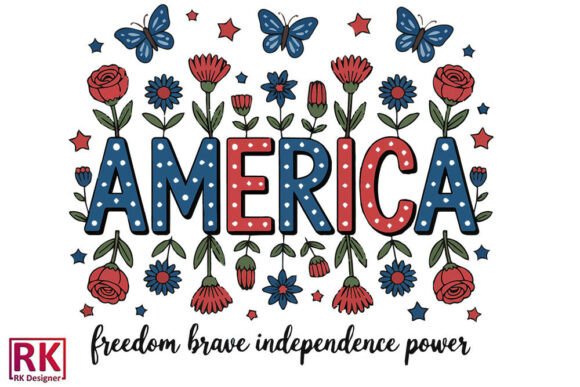
4th of July Svg America
A Designer’s First Look: Bold, Friendly, and Ready for Real Stitches
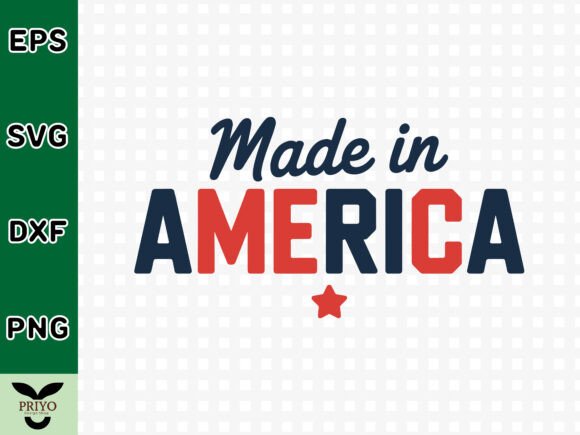
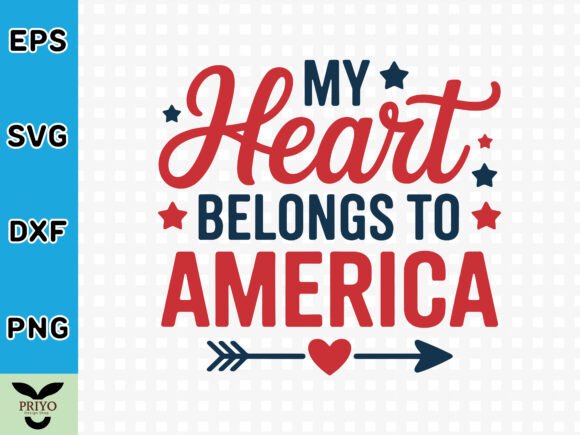
When I opened 4th of July Svg America, my first thought wasn’t “cute” or “festive”—it was “this will hold up.” As someone who’s stitched hundreds of holiday designs across sweatshirts, baby onesies, tote bags, and boutique aprons, I scan fast: clean lines, balanced negative space, and intentional weight in the lettering and star elements. This isn’t a cluttered collage—it’s a focused graphic with confident scale and rhythm. The layout leans into classic Americana without leaning too hard: stars are spaced for clarity, the “USA” treatment has subtle texture (not over-rendered), and the overall shape fits naturally inside a 4"–5" hoop—ideal for custom apparel and small-batch merchandise.
Where It Shines: Real Projects, Real Customers
I recently used 4th of July Svg America on a set of organic cotton tote bags for a local farmers’ market pop-up. Why totes? Because they’re high-visibility, low-risk test pieces—and this design delivered. On light fabric, the satin-stitch borders popped cleanly; on navy canvas, a single layer of medium-weight cutaway stabilizer kept the fill stitches smooth and even. No puckering. No thread breaks. That tells me the stitch density is well-balanced—not so dense it chokes thin fabrics, not so sparse it looks unfinished on heavier textiles.
It also translated beautifully onto a lightweight cotton apron for a small-batch kitchen brand. The design sat comfortably above the pocket, readable at arm’s length but not overwhelming. For baby embroidery? I’d recommend scaling down slightly (to ~3.2") and skipping any fine interior details—though the core shape holds up well even at smaller sizes. As an embroidered patch, it works cleanly with simple border stitching and minimal fill—great for iron-on backing or sew-on applications.
Etsy sellers and craft fair vendors will appreciate how easily 4th of July Svg America slots into existing product lines: pair it with red/white/blue thread palettes on neutral tees, use it as a focal point on tea towels, or layer it subtly on the chest of a relaxed-fit sweatshirt. It reads clearly in mockups—even grayscale printouts—so your printable mockup presentations stay professional without relying on color tricks.
Where to Pause and Plan
This isn’t a one-size-fits-all file. If you’re stitching on stretchy fabric like jersey knits or lightweight ribbed t-shirts, add a tear-away + cutaway hybrid stabilizer and slow your machine speed by 15–20%. The star points and tight curves in the lettering need stability to stay crisp. On dark fabric, avoid white thread unless you’re using a high-contrast underlay—opt instead for cream, antique white, or soft gold for warmth and readability.
For curved surfaces like caps or curved pillow covers, test the design on a scrap cap blank first. The width-to-height ratio works well on front panels, but avoid placing it too close to the bill seam—there’s enough visual weight to carry attention without needing extreme placement. And while it’s not an applique design, don’t force complex layered builds: stick to solid fills and clean satin borders for best results across commercial embroidery runs.
Also worth noting: the lettering includes subtle serifs and slight tapering. That means tiny hoop sizes (<3") may lose definition—especially on textured fabrics like terry cloth or linen blends. Reserve those delicate details for smoother substrates: piqué polo shirts, quilting cotton, or midweight twill.
What It Adds—Beyond the Stitch
4th of July Svg America strengthens handmade product credibility because it avoids cartoonish exaggeration. It feels intentional—not mass-produced, not overly digital. That matters when customers pay a premium for personalized gifts or boutique branding. When stitched cleanly on a linen pillow cover or a custom baby onesie, it reads as thoughtful, not generic.
From a craft business perspective, it supports consistency: same design, multiple uses—tote bag, tea towel, embroidered patch—without visual whiplash. That builds trust. Buyers recognize the motif across your listings, and that cohesion helps your shop feel curated, not scattered.
And yes—it boosts buyer engagement. At craft fairs, I watched customers pause longer at the tote display when 4th of July Svg America was featured versus busier, more chaotic alternatives. Simplicity invites connection. It says “celebration,” not “clutter.”
Designer Notes You’ll Actually Use
- Always test on scrap fabric first—especially if pairing with new thread colors or stabilizers.
- Check thread color contrast in both natural and indoor lighting. Red thread on burgundy fabric fades fast.
- Review stitch density visually in your embroidery software—if fill areas look muddy or overly heavy, adjust underlay or reduce density slightly.
- Confirm your hoop size matches the design’s native dimensions—or resize proportionally (never stretch).
- Inspect small corners and star points in your preview window. If they appear jagged or undersized, the file may need cleanup before stitching.
- Test it in black-and-white mockups to ensure legibility without color reliance.
- Compare performance on both light and dark fabric backgrounds—some elements read better on contrast than others.
- Use proper stabilizer: cutaway for knits, tear-away for stable wovens, and fusible + tear-away for lightweight silks or rayons.
- Verify licensing terms before selling finished items or bundling the digital embroidery file—this is critical for Etsy sellers and digital product sellers.
Final Thought: A Reliable Workhorse, Not a Gimmick
4th of July Svg America won’t wow with novelty—but it delivers where it counts: clarity, adaptability, and quiet professionalism. It’s the kind of machine embroidery design that disappears into the product just enough to feel authentic, yet stays memorable enough to spark a smile. Whether you're prepping for a holiday craft fair, building a seasonal collection for your small shop, or stitching personalized gifts for friends and family, this is a design asset that earns its place in your working library—not just your holiday folder.